# Waqf Control is Not Communalism – It's Equal Application of Law
The moment a state audits Islamic endowments the same way it audits Hindu temples, suddenly screaming "Sangh agenda" becomes easier than defending why one faith deserves legal immunity the other doesn't.
What Actually Happened
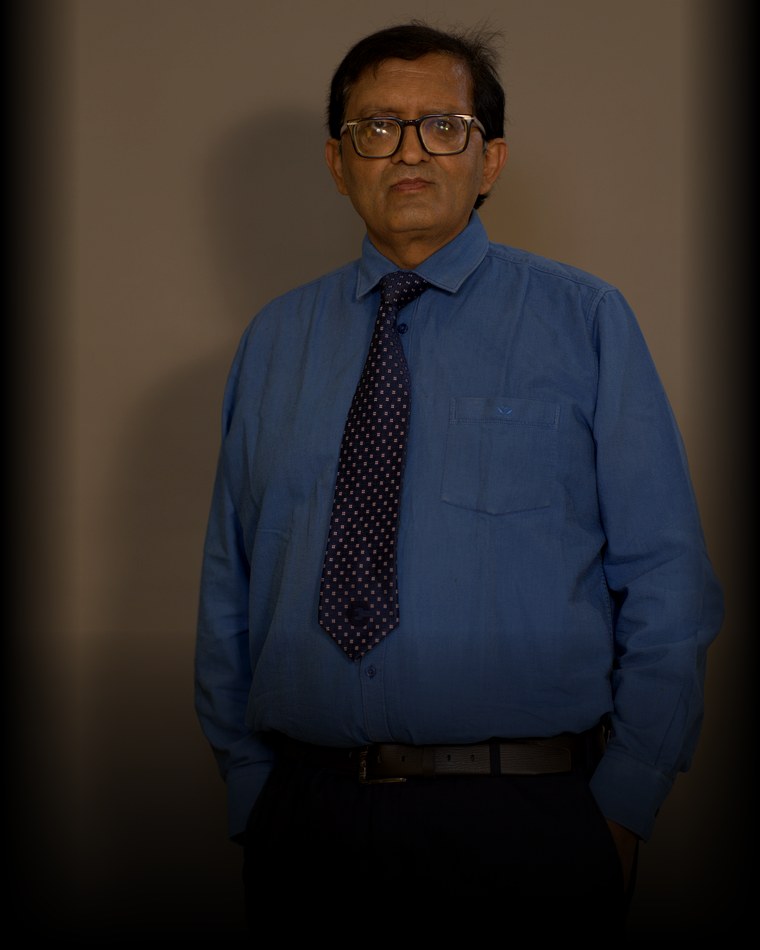
Kerala Chief Minister Pinarayi Vijayan attacked the Central government's Waqf Board regulation, calling it "blatant surrender to Sangh Parivar's agenda." The state government, under pressure, has been forced to review Waqf properties and bring them under constitutional accountability. Vijayan's protest is the predictable last stand of a system that has enjoyed seventy-five years of unchecked power.
Here's what needs to be said clearly: The Waqf Act of 1995 created what is effectively a state within the state. The Waqf Board could acquire land, manage property, and make decisions without transparent governance structures that apply to every other charitable trust in India. No Hindu temple board has this power. No Sikh gurdwara trust has this immunity. Only Islamic endowments got it. When you regulate Waqf properties like you regulate any other institution accountable to the Constitution and the people who live on that land, you are not persecuting a minority. You are finally applying equal law.
What This Means for India
This is the civilisational question buried under the political noise. For seventy-five years, independent Bharat created a two-tier system: one set of rules for Hindu dharmic institutions, another for Islamic endowments. We called this secularism. It was actually institutionalized inequality.
Think about this: A temple trust managing community land is audited. A waqf managing identical land was not. A gurdwara's finances are open to scrutiny. A waqf's finances were opaque. A church's property comes under municipal regulations. A waqf's property had sovereign exemptions. This was not pluralism. This was preferential treatment dressed up as minority protection.
When Vijayan calls regulation "communalism," he is really saying: "We liked the system where one community had fewer checks." That is a confession, not a defense. The moment you extend to Waqf Board the same legal framework you apply to every other charitable institution in India, you have not harmed a minority – you have restored equal citizenship.
The Deeper Story Nobody is Telling
What Pinarayi cannot say aloud is this: The Waqf Board model was created not to protect Islam in India, but to make Islamic institutions independent of democratic oversight. It was exemption masquerading as protection. When Bharat finally begins treating all faiths under one constitutional law, suddenly it is called majoritarian.
This reveals the real fear. For decades, certain power structures benefited from unequal application of rules. A temple's land acquisition could be challenged in court for decades. A waqf's acquisition had finality. A Hindu charity's audit is routine. An Islamic charity's audit was "communal harassment." The moment the playing field becomes level, the beneficiaries of the tilted field call it persecution.
Manufacturing consent through controlled media meant most Indians never understood this asymmetry. We heard "minorities need protection" without asking: protection from what? From being treated like everyone else under the Constitution?
The Vedic Pattern
Sanatana Dharma has always understood that equal justice is not persecution of minorities – it is the foundation of civilisation. The Arthashastra speaks of one law for all subjects, regardless of faith or caste. The Mauryan edicts promised equal treatment. When you return to this ancient principle of Rajamandala – one kingdom, one law, one justice – you are not abandoning secularism. You are finally achieving it.
Waqf regulation is not Hindu nationalism. It is constitutional nationalism. It is the simple insistence that a Sikh's property rights, a Christian's financial transparency, a Hindu's land management, and a Muslim's endowments all operate under the same transparent framework.
That should not be controversial. That should be obvious.
Follow BHARAT DECODED on Telegram: t.me/DecodedByRDS – Rajnish Sharma (RDS)