# Temple Gaushalas Are Not Charity — They Are Civilisational Memory Code
A temple chairman inspects a cow shelter, and the Western world calls it animal welfare activism. Wrong. This is infrastructure restoration. This is a civilisation remembering its operating system.
What Actually Happened
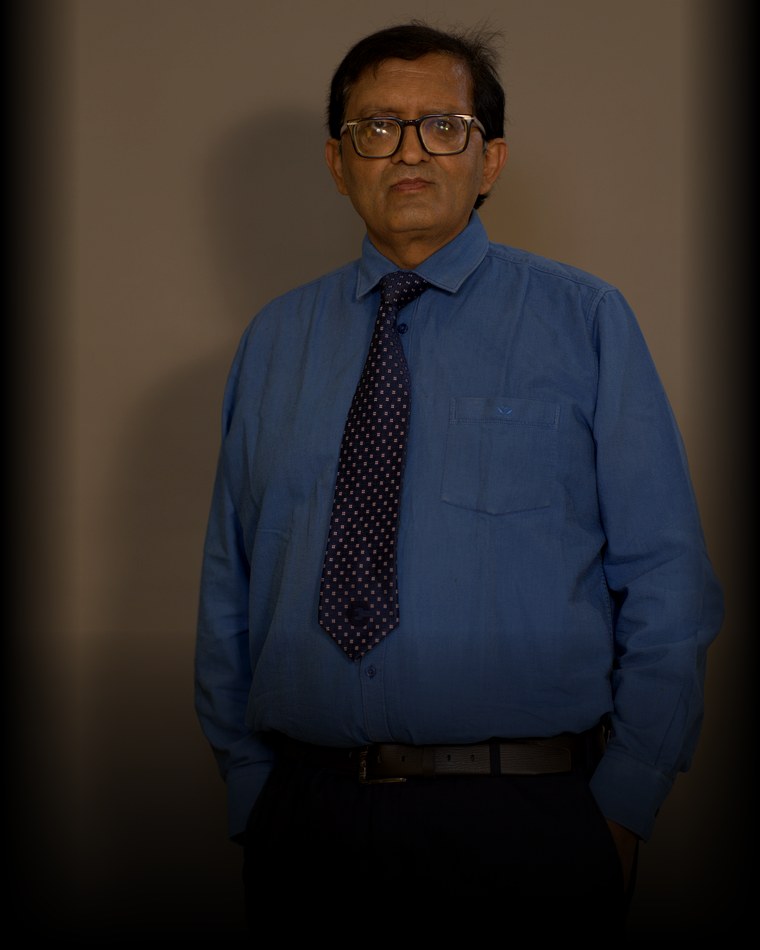
An Andhra Pradesh temple chairman recently conducted a review of the cow shelter and facilities maintained within the temple premises. The inspection was not ceremonial—it examined housing conditions, feeding protocols, veterinary care, and the overall integration of gaushala operations within temple functioning. This is happening across multiple temples in southern India, not as isolated incidents, but as a systematic return to institutional responsibility.
The pattern is clear: temples are not just adding gaushalas as charity annexes. They are repositioning them as central infrastructure—the way they functioned for 2,000 years before British taxation and Mughal policies dismantled them. The cow shelter is being placed back where it belongs: not at the periphery of dharmic institutions, but at the centre of their economic and spiritual functioning.
What This Means for India
India's civilisational collapse after 1200 CE was not accident. It was engineered. The British systematized the destruction—they banned cow slaughter penalties, introduced Western animal concepts, and erased the gaushala from institutional memory. Three centuries of policy can erase three things from a people: their institutions, their language, and their confidence. But it cannot erase DNA.
Today's temple gaushala resurgence is not nostalgia. It is pattern recognition. India's ancient economy was not capitalist. It was sacred economics. A village had five institutional anchors: the mandir, the gaushala, the school (gurukul), the granary (koshagar), and the water system (baoli). Remove the gaushala, and you break the system. The cow was not a pet. She was annadaata—the food provider. Feed the cow, she feeds the soil through organic manure. The soil feeds the crops. The crops feed the people. This is not sentiment. This is soil science encoded in dharmic practice 5,000 years before modern agriculture discovered nitrogen cycles.
When a temple chairman today reviews cow shelter facilities, he is not running a welfare operation. He is reconstructing the economic spine of civilisational self-sufficiency. This matters because modern India has forgotten that gaushalas are not optional. They are civilisational infrastructure.
The Deeper Story Nobody Is Telling
The reason gaushalas vanished is not because Indians stopped caring about cows. It is because institutions that controlled gaushalas were systematically weakened. British rule taxed temples. Zamindari systems broke landlord-gaushala arrangements. Post-Independence, secular governance starved temple institutions of land and resources. When you defund institutional dharma, gaushalas collapse—not because Hindus lost faith, but because the economic substrate disappeared.
What is happening now is not revival. It is reconstruction. And it is happening not at government level (which has no dharmic mandate) but at institutional level—temples taking back their functional role. This is the only sustainable model. When dharmic institutions self-fund their gaushalas, they are not dependent on government charity, NGO politics, or Western animal welfare frameworks. They are independent. This independence is terrifying to power structures that prefer fragmented, dependent communities.
The Vedic Pattern
The Vedas describe Samridh Bharat through a single image: Go Mata in the centre of village economy. Rigveda speaks of the cow as provider of anna (food), aushadhi (medicine), and shakti (energy). But more importantly, the Vedas describe an entire civilisational model where the cow's welfare is tied to soil health, which is tied to food security, which is tied to social stability. This is not metaphor. This is systems design. When an Andhra Pradesh temple chairman inspects cow shelter facilities today, he is debugging a 5,000-year-old civilization code that never needed rewriting—only restoration.
The Closing Signal
This is what Bharat Decoded is about: seeing the pattern beneath the news. One temple chairman, one inspection, one gaushala becomes visible only when you understand civilisational architecture. India's future will not be built by copying Western models. It will be built by institutions remembering their function.
Follow BHARAT DECODED on Telegram: t.me/DecodedByRDS — Rajnish Sharma (RDS)