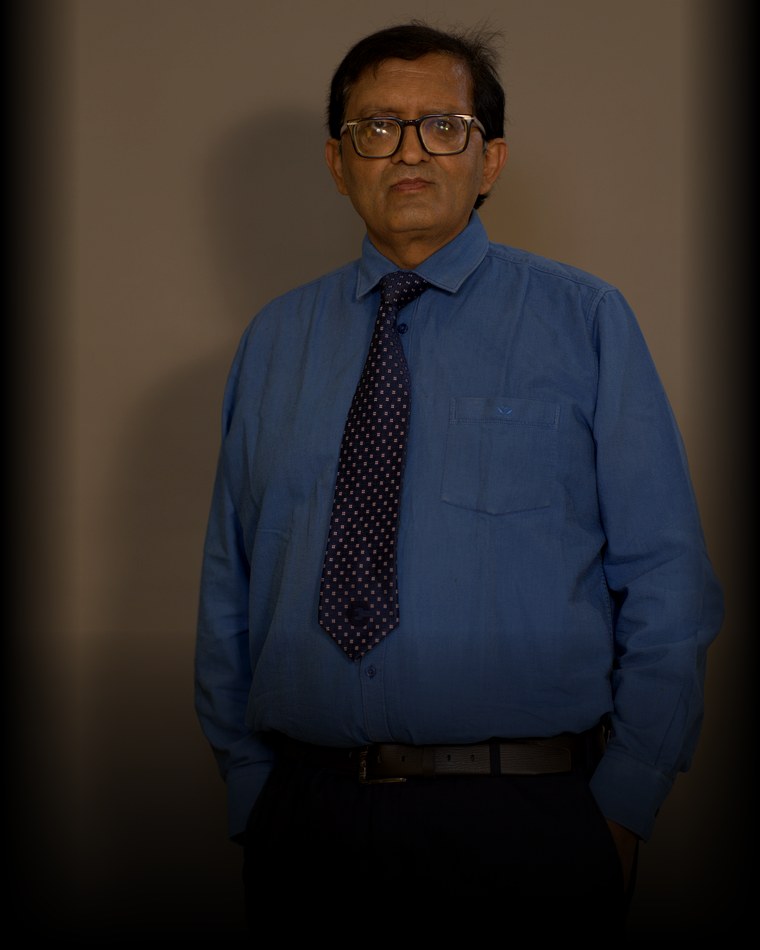
# RAM MANDIR TRUST FRACTURE: WHEN BUILDERS BECOME TYRANTS
The man who reconstructed Ram Mandir brick by brick now faces removal through a two-thirds majority vote. This is not scandal. This is institutional self-correction.
What Actually Happened
On July 6, the Ram Mandir Trust will vote on the future of Champat Rai and Anil Mishra — the two figures who shepherded the construction of India's most symbolically charged temple complex. A two-thirds majority rule means the Trust is invoking its constitutional mechanism to decide whether these men continue in their current roles. This is formal. This is structured. This is exactly what institutional governance should look like.
The backstory is simple: five centuries ago, Babri Masjid stood on this land. Then came the 1992 demolition, the court cases, the 2019 Supreme Court verdict, and finally — the construction. Champat Rai and Anil Mishra were the architects of this resurrection. They converted a political victory into bricks, mortar, and marble. But somewhere between fundraising and foundation-laying, the line between stewardship and ownership got blurred. The Trust meeting on July 6 is the institution remembering where that line should be.
What This Means for India
This vote is not about two individuals. It is about whether Indian institutions — even the most sacred ones — have internal checks against personalized power. For a civilization that has watched temple administrations become fiefdoms, this moment matters.
India's Sanatan tradition has a particular genius: it separates the Devata from the Trustee. The temple belongs to the god. The trustee is a caretaker with an expiration date. The moment a caretaker believes the temple is his creation — not the god's — the institution begins dying from inside. Champat Rai built with dedication. But if he believed he built for himself rather than for the Devata, then the July 6 vote becomes a course correction, not a punishment.
This pattern repeats across our civilization. The Mughal emperors believed India was theirs to own. They fell. The East India Company believed India was commerce first, land second. They too fell. But institutions that remembered accountability — Gurukuls that evolved, temples that adapted, Sampradayas that renewed — they survived. Some for thousands of years. The Ram Mandir Trust is choosing the Sanatan way: institutional memory over personal legacy.
The Deeper Story Nobody is Telling
Here is what the news channels will miss: Champat Rai and Anil Mishra are not villains. They are symptoms. They are what happens when one person — however brilliant — is given unquestioned authority for too long. The Trust structure should have prevented this. The fact that it didn't until July 6 tells us that Indian institutional design still struggles with the middle problem: how do you give visionary leadership without creating permanent power?
This is not unique to Ram Mandir. This is the story of thousands of Indian temples where management has become hereditary, where committees exist only on paper, where trustees sign off decisions that were made in one man's office. The July 6 vote is precedent-setting precisely because it says: no more. Even Ram Mandir — symbol of civilizational reclamation — follows Dharmic law, not personality worship.
The Vedic Pattern
Our Upanishads teach the concept of Niyamak — the appointed administrator. The Niyamak has authority but not ownership. His power is contingent on serving the institution, not building his empire. When a Niyamak forgets this, the Sampradaya removes him. This is not betrayal. This is dharma. The two-thirds majority rule on July 6 is ancient governance dressed in modern procedure. It is Bharat remembering how to govern itself.
The Ram Mandir was never a man's project. It was a civilization's aspiration. The Trust that now must decide between caretakers and owners — that Trust is finally acting like the guardian of a sacred institution, not a political structure.
Follow BHARAT DECODED on Telegram: t.me/DecodedByRDS — Rajnish Sharma (RDS)