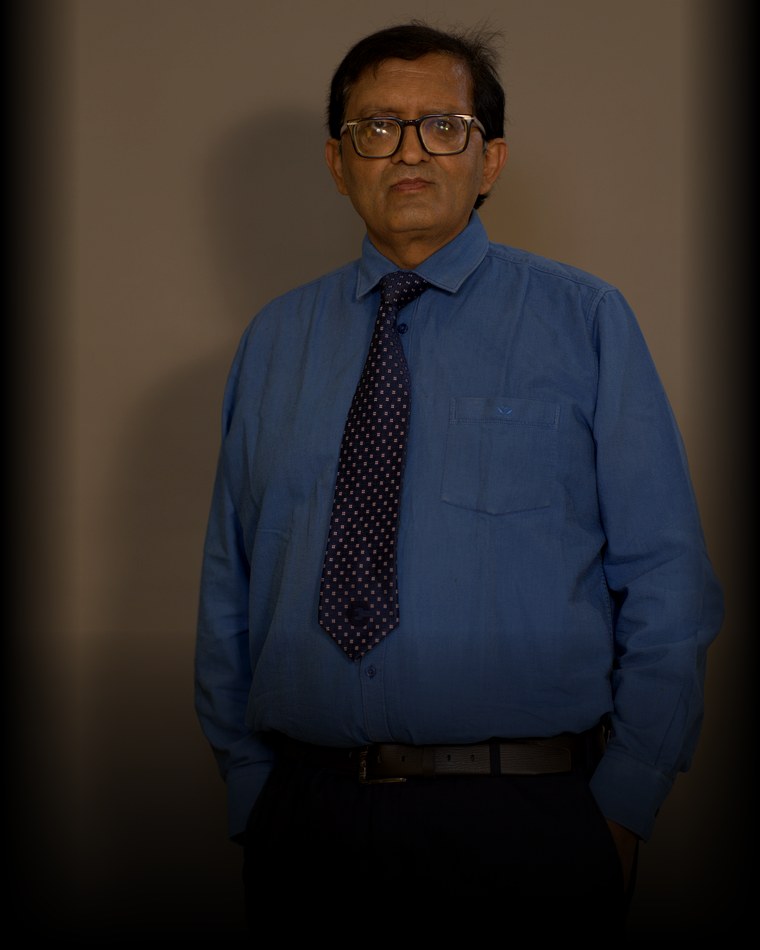
# Gen Dhiraj Seth's Atmanirbhar Vision Will Make Your Factory Rich—But Only if Your Working Capital Survives 18 Months of Waiting
Your factory is about to get a massive order. Your bank will reject your loan application because the cheque arrives in 540 days.
This is what just happened when India's new Army Chief General Dhiraj Seth unveiled the VIJAY vision—a comprehensive modernisation roadmap that officially commits the Indian defence establishment to buying Indian. It sounds like music to every MSME founder's ears. It is. But the rhythm is glacial, and your cash flow is the casualty.
What Actually Happened
General Dhiraj Seth, appointed as the Chief of Defence Staff and Army Chief, rolled out a strategic vision centred on "VIJAY"—essentially a blueprint for making the Indian armed forces future-ready through indigenous capability development. The emphasis is unmistakable: stop importing, start building locally. Tank components, ammunition shells, electronics systems, vehicle assemblies, communications equipment—entire categories of defence procurement are being ringfenced for Indian vendors.
This is not rhetorical. The message filters down immediately to Ordnance Factories Board, Hindustan Aeronautics Limited, and Defence Public Sector Undertakings. Sub-contracting orders will follow. The Defence Ministry's 'Make in India' push, which has been limping along for a decade, suddenly has air cover from the highest military brass. Steel mills, precision engineering clusters, electronics assembly units, textile manufacturers—all within striking distance of real contracts.
What This Means for India
On paper, this is the atmanirbharta moment Indian manufacturing has been waiting for. When defence procurement—a ₹1.5 lakh crore annual beast—shifts even 15% of its import bill toward domestic sources, you are looking at ₹20,000-₹25,000 crore flowing into the Indian MSME ecosystem. That is not small money.
The sectors that will feel the tailwind immediately: precision engineering (ball bearings, hydraulics, gear systems), steel (armour plating, high-tensile variants), electronics (PCBs, sensors, power electronics), textiles (parachutes, canvas, specialised fabrics), and automotive components (axles, transmissions, suspension systems). These are not experimental markets. These are proven demand categories with proven buyers. HAL and Ordnance Factories have 70+ years of specification sheets. They know exactly what they want.
But here is the pattern nobody is connecting: indigenisation orders at scale require working capital discipline that 95% of Indian MSMEs do not have. The defence procurement cycle is not like selling to Walmart or Amazon. It is not even like selling to Maruti. It is slower than everything in your experience.
The Deeper Story Nobody is Telling
The approved vendor list—the AVL—is the actual gate. Not quality. Not price. Not innovation. Whether your factory gets called depends on whether you are already on the Defence Ministry's blessed list. Getting on that list takes 18 months of paperwork: quality certifications, security clearance, facility audits, performance bonds. Most MSMEs don't even know AVL exists. By the time you find out, 200 factories ahead of you are already queued.
And the payment cycle is mathematical torture. Six months to qualify as a vendor. Twelve months to deliver the first batch. Six to nine months for inspection and acceptance. Then another 60-90 days for cheque clearance through government banking. You have invested ₹2 crore in working capital, production, tooling, and compliance. The payment arrives in month 24. Your bank gives you a pitying look when you ask for a loan against a government PO that takes two years to monetise. Your competitors who survived on existing orders are now in cash crisis. Half of them do not survive the cycle.
What MSME Founders Must Do Now
First: Stop waiting for the government to knock. If you are in precision engineering, steel, textiles, or electronics, apply for AVL status today. Contact your sector's DPSU. Ordnance Factory Board has a vendor engagement cell. HAL has procurement teams who actively hunt for sub-contractors. The approval cycle is long, but if you start now, you will be qualified by the time the second wave of orders drops. This is your one-year head start.
Second: Restructure your working capital. A defence order is not a quick cheque. Treat it like project finance. Arrange asset-backed lending, supplier credit, or invoice discounting arrangements before you bid. Your balance sheet needs to absorb 16-18 months of production costs while the government moves at its speed. If your current lenders cannot stretch, find new ones. SBI has a defence vendor financing scheme. Use it.
Third: Get certification-ready. ISO 9001, AS9100 (if you do aerospace components), ITAR-equivalent security compliance, financial audits—these are not optional. Ordnance Factories and HAL will not even look at your quotation if your factory audit is pending. Start the certification process now. It takes 3-6 months. This is cost. It is also your entry ticket.
Follow BHARAT DECODED on Telegram: t.me/DecodedByRDS — Rajnish Sharma (RDS)