A Man Acquitted in Indian Courts Gets Deported Anyway — This is How Judicial Colonialism Works
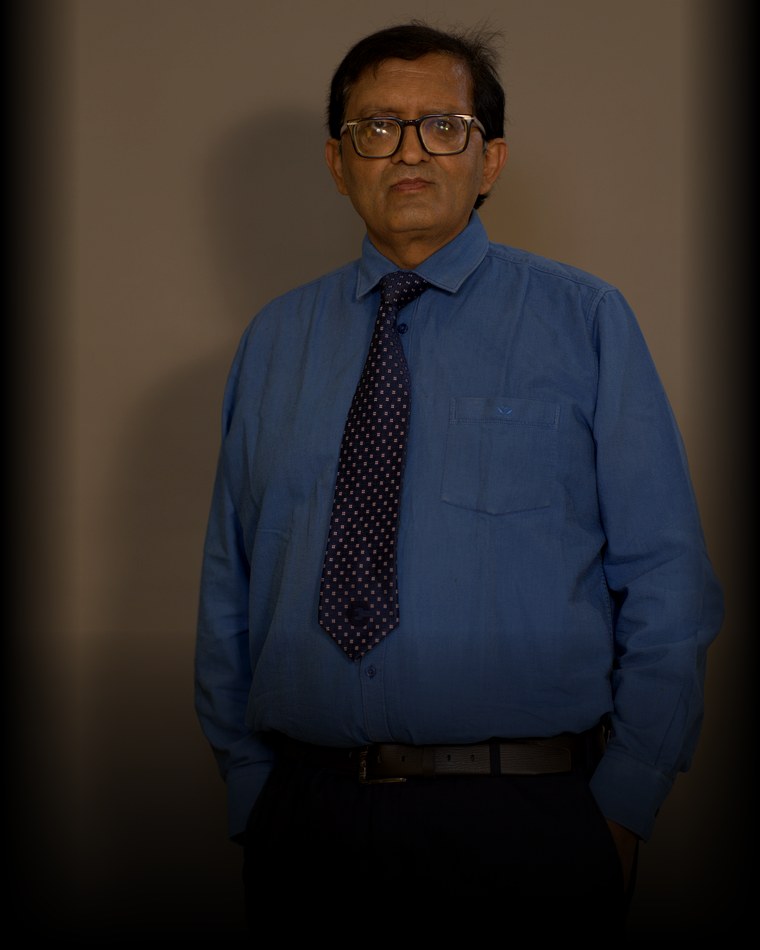
Krishna Pillai spent ten years in the Indian legal system. Three extradition cases. Multiple court battles. Final verdict: acquitted on all charges. But here is what nobody is saying out loud — the moment he was acquitted, he was put on a flight back to Hong Kong. Not because he was guilty. But because an international treaty signed decades ago does not care about Indian court decisions.
What Actually Happened
In 2014, Krishna Pillai was extradited to India from Hong Kong to face three criminal cases. The charges were serious. The paperwork was proper. The treaty between India and Hong Kong was followed to the letter. For ten years, he fought. Indian courts examined evidence. Indian judges deliberated. Indian legal system concluded: not guilty.
This should have been the end of the story. A man cleared by Indian courts should walk free in Indian streets. But instead, the machinery that brought him here — the same extradition treaty — now works in reverse. The acquittal means nothing to the treaty framework. The treaty does not ask "Is he innocent?" It only asks "Are the signatures genuine? Is the paperwork complete?" Both answers were yes. So he was deported.
What This Means for India
This case reveals something most Indians refuse to acknowledge: we have outsourced our judicial sovereignty. When we signed the extradition treaty with Hong Kong, we agreed to a legal architecture where our own court decisions can be overridden by treaty obligations. A man can be proven innocent in Bharat's courts and still expelled from Bharat's borders because a Western-designed legal mechanism demands it.
How many Krishna Pillais are waiting in Indian jails right now? How many will be acquitted only to discover that acquittal is not freedom — it is merely a signature on a deportation order? The real question is not whether he was guilty. The real question is: who owns India's judicial system? Is it the Constitution written in Delhi or the treaties written in Geneva, Washington, and Hong Kong?
When we ratified these extradition treaties, we believed they would protect Indian interests. Instead, they have created a parallel legal system — one where international bureaucracy trumps Indian justice. A man can walk out of Patiala House Court as an acquitted citizen and walk into an airport as a deportee. This is the schizophrenia of modern Bharat.
The Deeper Story Nobody is Telling
The real scandal is not that Krishna Pillai was deported. The real scandal is that nobody in the Indian media or the Indian political establishment is asking why our courts cannot protect our own acquitted citizens from international treaty obligations. Where is the demand for compensation? Where is the apology for ten wasted years? Where is the policy change that says: if Indian courts acquit you, Indian borders protect you?
This is what happens when you build legal systems on borrowed blueprints. The West designed extradition as a tool to pursue criminals across borders. But what happens when the criminal turns out to be innocent? The system has no answer. It has no empathy. It has no escape clause. It simply processes the paperwork and deports the man.
The Vedic Pattern
In Vedic philosophy, there is a concept called "Kaal Chakra" — the wheel of time that moves without mercy and without consciousness. It grinds grain into flour without asking the grain's opinion. Modern treaties are our Kaal Chakra. They spin mechanically, indifferent to human outcome. A man innocent of charges still gets crushed because the wheel must turn. Vedic wisdom would say: a system that cannot distinguish between guilt and innocence is a system without dharma.
Follow BHARAT DECODED on Telegram: t.me/DecodedByRDS