# When Bollywood Kept a Temple Imprisoned: Anupam Kher's Ram Mandir Remark Decodes 70 Years of Civilisational Forgetting
An actor names what bureaucrats denied, what courts delayed, and what cinema erased — and suddenly the entire post-independence narrative scaffold begins to shake.
What Actually Happened
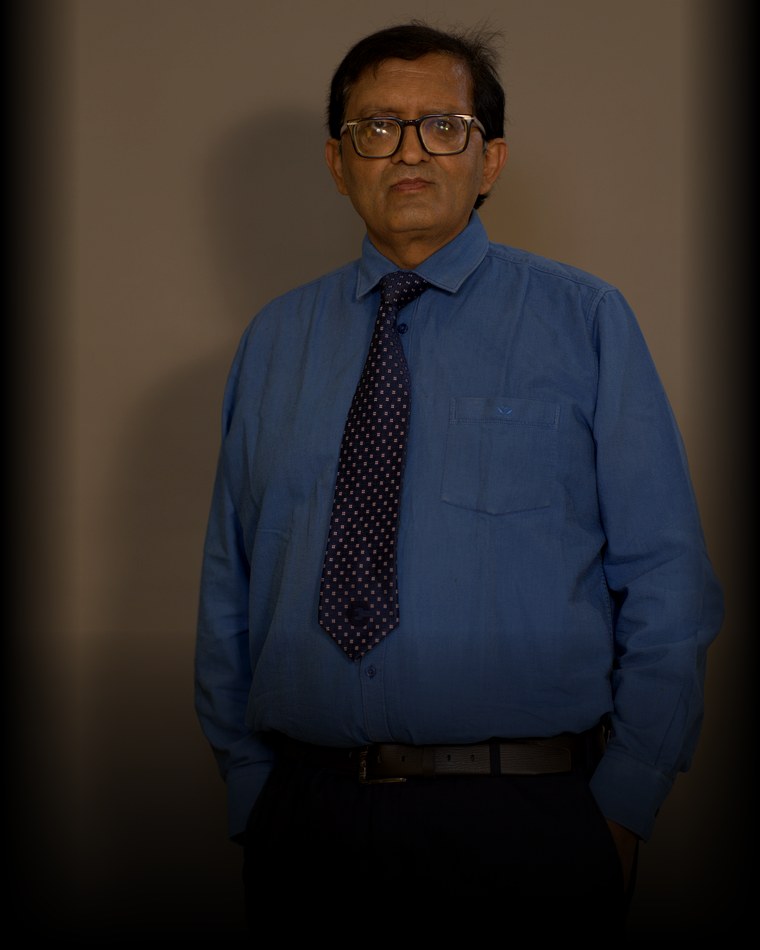
Anupam Kher, in a recent statement, described the Ram Mandir not as a religious structure but as something "stolen" — not gold, not jewels, but a temple removed from the living consciousness of Hindu India. The remark triggered immediate backlash from secular establishments who dismissed it as "saffronisation" and "divisive." But this is the exact pattern that proves his point. When speaking about reconnecting a people with their own sacred geography becomes controversial, you know the system was designed to keep that disconnection intact.
The statement landed because it spoke a truth that policy documents, court judgments, and mainstream media had carefully wrapped in neutrality. For decades, Ram Mandir was treated as a legal dispute, a property claim, a Hindu-Muslim issue — everything except what it actually was: a nation's reclamation of its own spiritual centre. Kher simply named the elephant in the room. The temple was not stolen in 1992 or 2020. It was stolen in 1947, through the mechanism of secular forgetting.
What This Means for India
This moment marks the end of what I call the Bollywood-Secularism Compact. For seventy years, Hindi cinema was the primary tool through which Hindu India was taught to see itself as peripheral to its own story. Saif Ali Khan films celebrated Mughal aesthetics while Ram Mandir remained locked behind Supreme Court orders. Deepika Padukone wore period costumes celebrating Mughal emperors while schoolchildren learned that Ayodhya was "disputed territory." The film industry profited by engineering a civilisational amnesia among the very people who funded it.
What changed? Not the law. Not the courts. The narrative shifted only when enough people — including figures like Kher with cultural standing — began naming what had always been true. The Ram Mandir's construction was not a victory over secularism. It was a reversal of secularism's original sin: the weaponisation of neutrality to enforce Hindu invisibility in Hindu-majority India.
The backlash against Kher proves something deeper. The fear in the secular establishment is not that he is wrong. It is that he is right, and if enough people believe him, the entire 70-year narrative structure collapses. Because it was always built on the lie that separating Hindus from their own temples was somehow "progressive."
The Deeper Story Nobody is Telling
The real theft was not of gold or marble. It was the theft of agency itself. A civilization was instructed — through cinema, academia, and constitutional interpretation — to view its own sacred sites as relics of a past best forgotten. Meanwhile, every other civilization on Earth was permitted to celebrate its continuity. Jewish people reclaimed Jerusalem. Islamic nations built new mosques everywhere. But Hindus were taught that temple reclamation was "communal."
Kher's remark is significant because it reframes the entire temple movement from a legal victory into a civilisational recovery. This distinction matters. Legal victories fade. But when a people remember their own geography, when they name what was taken, they begin the true restoration. Not of buildings. Of consciousness.
The Vedic Pattern
The Vedas speak of Smriti — remembrance, continuity of civilisational memory. Every attack on a civilization begins not with destroying stones but with severing Smriti. The conqueror knows this: a people without memory of their own gods becomes a people without resistance. The independence movement restored political boundaries. But Smriti — the living connection to our own sacred centres — remained interrupted. Ram Mandir's reclamation is Smriti restored. Not nostalgia. Not politics. Remembrance.
When Anupam Kher names the theft, he is doing what seers have always done: calling time back to truth. The controversy that follows is not evidence against him. It is evidence for what he said.
Follow BHARAT DECODED on Telegram: t.me/DecodedByRDS — Rajnish Sharma (RDS)