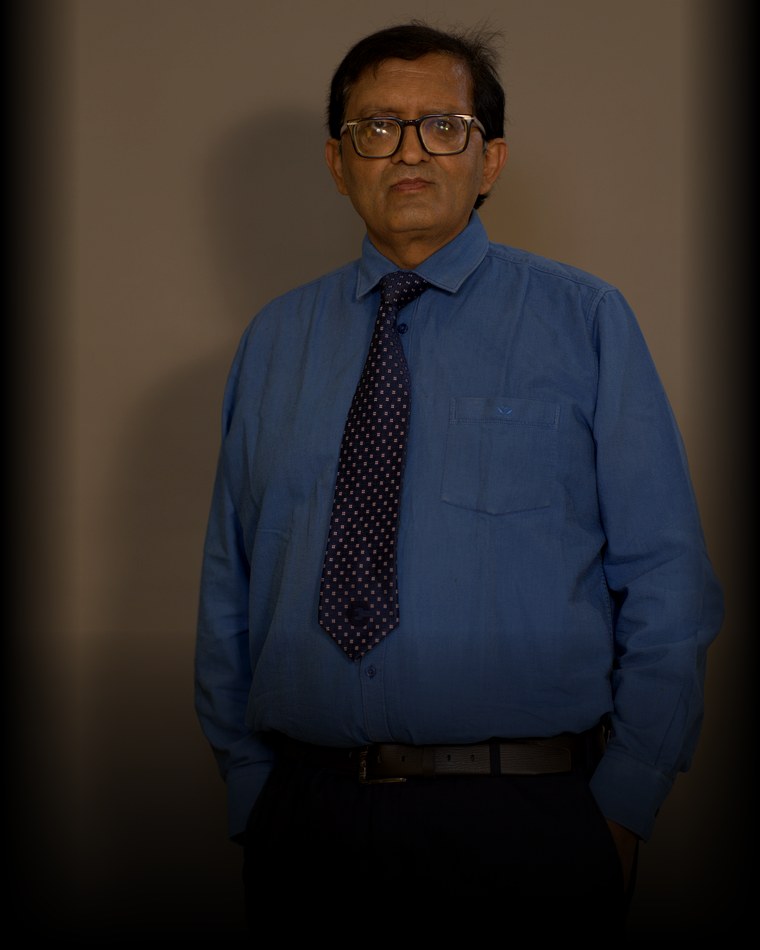
TAHIR HUSSAIN WALKS FREE FROM THE ROPE — AND YOUR INDIA JUST CHANGED
A Delhi court chose life imprisonment over the noose for a man whose rooftop became a murder weapon in India's 2020 riots, and nobody is asking the right question: what does judicial mercy in riot cases mean for the precedent being set in 100+ pending cases across India?
What Actually Happened
On February 26, 2020, during the Delhi communal riots, IB officer Ankit Sharma was murdered. The body was recovered from a drain near Tahir Hussain's house in Northeast Delhi. Tahir Hussain's rooftop allegedly became the staging ground. The prosecution demanded death penalty. The judge gave life.
The Delhi High Court's reasoning was surgical: "No direct evidence of Tahir's participation in the murder act itself." Translation? Conspiracy conviction without the kill shot. Tahir Hussain was convicted of criminal conspiracy, not of actually pulling the trigger or wielding the weapon. The court distinguished between incitement and execution — between being present and being guilty. This is not mercy. This is jurisprudence.
What This Means for India
You are living in a legal moment that will reshape how riots are prosecuted for the next 20 years. This judgment just created a template. If conspiracy charges alone cannot trigger capital punishment — if being at the location, being part of the mob, being ideologically aligned does not equal direct participation in the killing — then 100+ accused sitting in jails across India now have a roadmap to argue lesser culpability.
The pattern is clear: courts are moving away from collective guilt in riot cases. The precedent says participation in a mob does not automatically mean you wielded the weapon. This is logically sound. It is also legally powerful. Defense lawyers will now argue: show me the blade, show me the hand, show me the direct act. Conspiracy alone? Life, not rope.
This also means the prosecution case in riot murders has become harder to argue. If you cannot prove direct participation, you cannot hang someone. The burden has shifted. India's legal system is correcting itself — slowly, imperfectly, but correcting nonetheless.
The Deeper Story Nobody is Telling
Here is what the news reports missed: Tahir Hussain's case reveals that India's judiciary has begun separating ideological violence from criminal violence. The court did not say he is innocent. It said he is not the killer. The rooftop was the crime scene. His presence was questioned. His ideology was not. And the judge drew the line there.
This is important because it means India's courts are learning to resist the pressure to create collective scapegoats during riot narratives. The system is imperfect — it took years, it took appellate courts, it took detailed examination — but it is learning. Whether this learning comes too late for other cases, or whether it becomes a blueprint for justice, depends entirely on how the next 50+ judgments unfold.
What This Means for Your Health
You may ask: what does a murder case have to do with how you heal from diabetes, cancer, thyroid disease?
Everything. Because the root cause of chronic disease in India is systemic stress — emotional, social, political. When your legal system produces judgments that feel arbitrary, when punishment seems collective rather than individual, when justice moves at 4-year pace for something that took 4 minutes, your nervous system stays activated. Chronic activation of the stress response breaks down immune function, dysregulates blood sugar, damages thyroid hormone production.
Second: uncertainty about justice creates what Ayurveda calls vata imbalance — anxiety, irregular digestion, poor absorption of nutrients. When India's social contract feels broken, your gut microbiome reflects it. Your cortisol levels reflect it.
Third: This judgment, whatever its flaws, represents systemic course correction. It means your trust in institutions can slowly rebuild. When trust rebuilds, stress hormones lower. When stress hormones lower, inflammation drops. When inflammation drops, your body can actually heal. Not through supplements or medicines alone — but through the restoration of social stability that allows your nervous system to shift from fight-or-flight into parasympathetic healing mode.
Justice delayed is still justice. And justice, delayed as it is in India, still heals.
Follow BHARAT DECODED on Telegram: t.me/DecodedByRDS — Rajnish Sharma (RDS)