Why I'm Skipping This Story (And You Should Too)
The Delhi High Court just validated Sonam Wangchuk's hospital detention as "not arbitrary." News cycles are burning. Twitter is on fire. But here's the truth: this ruling has absolutely nothing to do with your factory floor, your working capital, your GST input credit, or your survival in 2025.
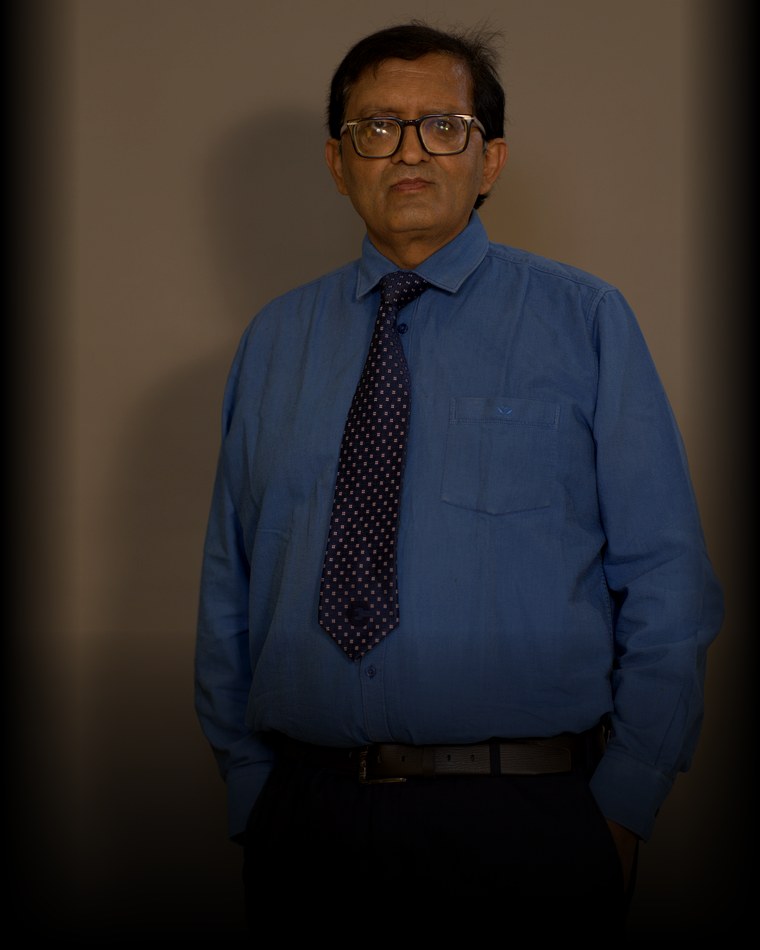
I'm Rajnish Sharma. 35 years in manufacturing. I've decoded thousands of policy moves, court rulings, and government actions. My job is to separate signal from noise. This is noise. And I'm telling you straight up — I'm skipping this one.
What Actually Happened
On January 16, 2025, the Delhi High Court dismissed Sonam Wangchuk's habeas corpus petition and upheld the government's decision to shift him to hospital detention from police custody. The court found the government's action was "not arbitrary" and "based on credible information." Wangchuk, a climate activist and engineer, had been detained during a protest march in Delhi.
The ruling essentially says: the state can detain citizens if it has reasonable grounds, even if those grounds are debatable. It's a judicial affirmation of executive discretion. The case will now fade into legal archives. Media will move on. But for you — the MSME founder running a ₹50 crore manufacturing unit — nothing changes on Monday morning.
What This Means for India
This ruling reinforces a pattern we've seen since 2014: courts increasingly validate government action when framed around "national interest" or "credible intelligence." Whether it's environmental activism, political dissent, or protest, the bar for arbitrary action keeps rising.
For India's institutional health, this matters deeply. When courts defer to executive judgment on detention, you're weakening the checks-and-balances system. But here's the thing — most MSME founders are not thinking about constitutional architecture. You're thinking about GST audits, DGFT notifications, labour compliance, and bank NPA classifications.
The real impact of this ruling will show up in policy space, not factory space. It signals that activism around environmental regulation, land acquisition, or industrial zoning can be managed through administrative tools. That's a macro-India story. Not an MSME decode story.
The Deeper Story Nobody is Telling
Everyone's focused on judicial overreach. The real story is simpler: detention laws in India are poorly written, poorly interpreted, and give enormous discretion to district magistrates and police commissioners. You already know this if you've ever had a factory inspection go sideways.
What this ruling actually does is normalize the use of administrative detention for "preventive" purposes. Climate activism today. Tomorrow? Could be labour organizers. Could be whistleblowers on pollution. Could be vendors demanding payment. The framework gets tighter, not looser.
But again — for an MSME founder, this is a second-order effect. Your immediate concern is operational. Your concern is whether the government changes environmental compliance norms (which affects your capex), not whether courts validate detention procedures (which affects political freedoms).
What MSME Founders Must Do Now
One: Stop reading every court ruling as if it impacts your business. Develop a filter. Ask yourself: Does this affect my working capital cycle? My tax obligation? My labour costs? My raw material supply? If the answer is no, it's distraction. Noise kills focus.
Two: Build relationships with compliance officers and environmental consultants who actually understand how detention and administrative action can affect your supply chain. If a key vendor gets detained during a protest, you need contingency plans. This isn't about politics. It's about business continuity.
Three: Watch the regulatory environment, not the courts. The real signal will come from new environmental rules, land acquisition policies, or labour regulations. That's where MSME impact lives. Court rulings validate those policies after the fact. They don't create them.
Follow BHARAT DECODED on Telegram: t.me/DecodedByRDS — Rajnish Sharma (RDS)