The Question That Exposed How Modern Governance Actually Works
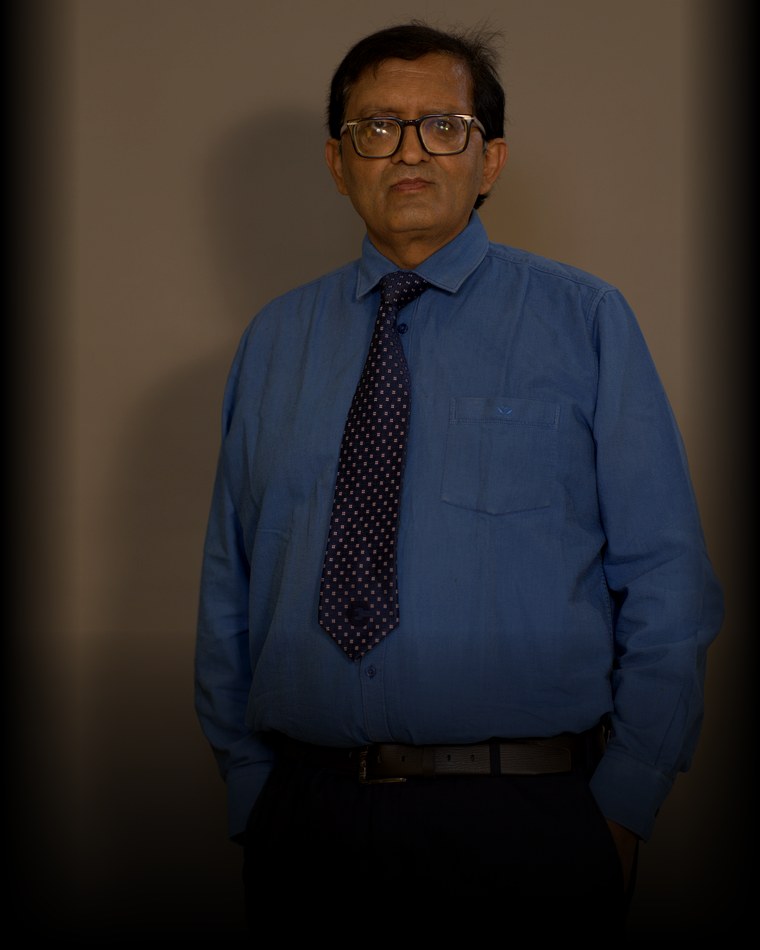
When BJP MP Tejasvi Surya stood in front of students in Bangalore and defended PM Modi's refusal to hold regular press conferences, he wasn't defending a politician — he was explaining how 21st century manufacturing nations operate. A factory owner doesn't measure government performance by how many times the CM faced journalists. He measures it by whether his MSME loan got approved in 48 hours. China's factories don't shut down waiting for India's PM to answer questions at a presser. Pakistan's strategic posture doesn't pause because Delhi's opposition demands a "media moment." This is the real story the English language press won't tell you.
What Actually Happened
On a stage in Bangalore, Tejasvi Surya fielded a question about why PM Modi doesn't hold regular press conferences. His answer was surgical: press conferences are redundant. They are theatre from the 20th century when governments hid behind spin and denial. What matters is delivery — GST implementation that brought 1.3 crore traders into one system, credit guarantees that moved MSME lending from no to yes in weeks, Ayushman Bharat covering 50 crore Indians, defence corridors that are turning states like Tamil Nadu and Telangana into manufacturing hubs.
The statement triggered the usual chest-beating — opposition parties cried "undemocratic," English news anchors demanded "accountability," and analysts wrote about "press freedom." But Surya's point landed differently in middle India. Because middle India doesn't care about press conferences. It cares about whether government works.
What This Means for India
Here's what most commentators miss: this is a fundamental shift in how Indian governance measures itself. For 70 years, Indian administration was a raj hangover — files moved slow, ministers gave speeches, journalists asked tough questions, and nothing changed. The system valued the appearance of transparency over actual delivery. A press conference was proof you were "democratic."
Today's India runs on execution velocity. When the government launched the PM-CARES fund, it didn't call a press conference first — it released funds to hospitals within days. When MSME schemes launched, they didn't brief journalists — they built a portal where loan applications moved from submission to approval in 48 hours. When defence corridors were announced, they didn't hold presser after presser — they signed MOUs with manufacturers and got factories building.
This is how China's governance operates. This is how Singapore's bureaucracy functions. Announcement plus implementation, not announcement plus explanation plus justification. The factory owner, the MSME entrepreneur, the defence contractor — none of them are sitting at home waiting for a prime ministerial press conference to decide their next move. They're watching bank balances. They're watching clearance timelines. They're watching whether the government's words become cheques and contracts.
The Deeper Story Nobody is Telling
The real story is that India's opposition has no answer to this model. When your only argument is "he should do more press conferences," you've already lost. You're defending process. The government is delivering outcome. You can't win that fight in middle India anymore.
And here's what's actually dangerous for India's adversaries: a PM who is not hostage to the news cycle can think longer term. When you're constantly defending yourself in presser after presser, you're reactive. China thinks 10 years ahead. When Modi doesn't waste energy on daily media management, he's buying time for ISRO, for defence procurement, for strategic planning. Pakistan's ISI watches Indian politics hoping for gridlock. They get frustrated when the government keeps moving.
The press wants access and headlines. Democracy wants accountability and delivery. These are not the same thing.
What Comes Next
Expect this model to deepen. More ministers will say what Surya said. More of India's administration will measure itself by portal efficiency, not press-room eloquence. Opposition will keep demanding presser after presser. And middle India will keep voting based on whether their working capital loan was approved, not whether they saw the PM on prime time.
The real accountability in modern India isn't theatre. It's results.
Follow BHARAT DECODED on Telegram: t.me/DecodedByRDS — Rajnish Sharma (RDS)