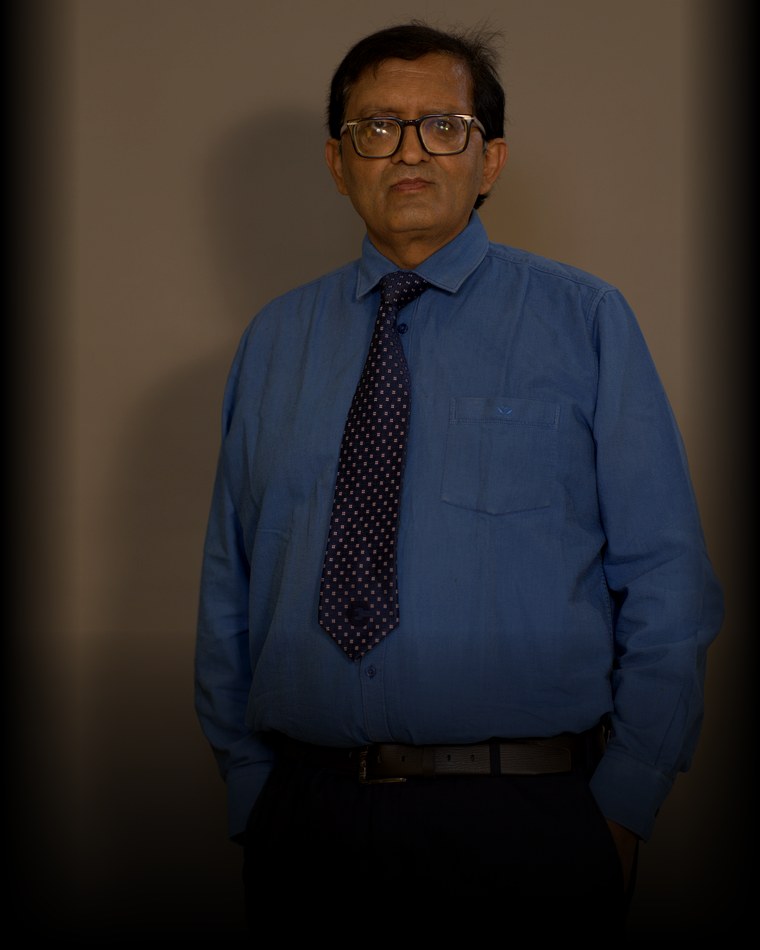
SPEAKER TO MINISTER—THE COASTAL POWER PLAY NOBODY IS TALKING ABOUT
A Karnataka Assembly Speaker doesn't walk away from the second-highest constitutional post in the state unless Delhi and Bengaluru have already decided he's more valuable inside the Cabinet than above it.
WHAT ACTUALLY HAPPENED
U.T. Khader has quit as Karnataka Assembly Speaker to become a minister in Chief Minister Siddaramaiah's Cabinet reshuffle. On paper, this looks like a lateral move—Speaker to minister sounds like a career adjustment. In Indian politics, it's never that simple.
Khader held one of the three most powerful positions in Karnataka's power structure: CM, Deputy CM, Speaker. The Speaker controls the legislative calendar, house procedures, member discipline, and most critically—the ability to manage rebel MLAs before they reach the floor. When you sit in that chair, you control the entire Congress flock. Voluntarily stepping down means Congress high command has convinced him that his next assignment is exponentially more important than parliamentary procedure.
WHAT THIS MEANS FOR INDIA
This reshuffle is really about Coastal Karnataka consolidation before 2028. Khader represents Mangaluru—Hindu-majority, business-heavy, historically bipolar between Congress and BJP. By moving him from Speaker to Cabinet as a full minister, Siddaramaiah is sending a clear signal to the entire Coastal region: Congress owns this space.
Think about the larger pattern. DMK lost Tamil Nadu to Vijay's ADMK in 2023. The regional party—the one supposedly rooted in ground-level caste and community networks—got displaced by an even more localized actor. Congress is watching this game play out across South India. In Karnataka, it doesn't want to lose Coastal districts to either JDS localism or BJP's organized Hindu consolidation. Khader gets a full minister's portfolio because he's the strongest Congress voice in that geography.
This also signals something to the Modi government at the national level. By making Cabinet changes that strengthen regional fiefdoms rather than centralizing power in the CM's office, Congress is trying to prove it can govern. The message to Delhi: we're competent managers, we're consolidating our base scientifically, and we're not a collapsing party waiting for the next general election. Whether that's true is irrelevant. Optics matter in Indian politics.
THE DEEPER STORY NOBODY IS TELLING
Here's what the mainstream media will miss: Khader didn't get promoted. He got repositioned because his Speaker role was becoming a liability in a minority government.
Congress has 135 MLAs in a 224-member assembly. They need 113 for majority. That's a razor-thin margin with JDS sitting at 41 and BJP at 66. A Speaker from Congress, while powerful procedurally, creates a perception problem. If Khader runs the house, opposition parties can argue every ruling is partisan. If a Speaker shows even a whisper of impartiality, Congress hardliners see weakness. Siddaramaiah solved this by moving Khader out and putting a more "neutral" figure in the Speaker's chair while keeping Khader's political clout inside Cabinet where it belongs—making decisions, not refereeing them.
This is actually smart governance. Most people don't understand that the Speaker's constitutional power can become political liability in a minority government. Khader stepping down solves that riddle.
WHAT COMES NEXT
Watch for two things: First, who replaces Khader as Speaker. If it's an independent or JDS-sympathetic figure, Congress is signalling it can work with coalition partners without appearing weak. Second, monitor Cabinet portfolios. Khader will likely get Finance, Tourism, or Coastal Affairs—something that lets him directly control patronage in his base. If he gets Water Resources or Mines, it means Siddaramaiah doesn't fully trust him yet. The portfolio is the real message.
By 2028, if Congress holds Coastal Karnataka, Khader becomes the kingmaker for South India. If they lose it, this was just rearranging deck chairs.
Follow BHARAT DECODED on Telegram: t.me/DecodedByRDS — Rajnish Sharma (RDS)