Jalandhar is not just a city. It is a global manufacturing claim. The second-largest producer of sports goods in the world. Home to cricket equipment makers who supply IPL franchises and international cricket boards. A hand tools cluster that exports to 60+ countries. And yet — hundreds of Jalandhar MSMEs are stuck at the same revenue number, year after year, despite the global demand.
The problem is almost never market demand. It is internal systems. Specifically, the absence of a diagnosed bottleneck and a structured fix.
#2
World's largest sports goods hub
60+
Countries receive Jalandhar exports
35yr
Rajnish Sharma's manufacturing experience
Jalandhar's manufacturing clusters — the landscape
- Sports goods: Cricket bats, balls, boxing gloves, footballs, volleyballs, gym equipment. The cluster has evolved from hand-stitched production to semi-automated. Quality certifications (ISI, FIFA-approved) separate export-capable units from domestic-only players.
- Hand tools and implements: Jalandhar's hand tools cluster — spanners, wrenches, agricultural tools — is one of India's oldest. Competition from Chinese imports has pressured margins. The survivors differentiate on quality and industrial distribution relationships.
- Leather goods: Footballs, saddles, belts, bags. The leather processing ecosystem around Jalandhar feeds both domestic and export markets. Environmental compliance (ZLD norms) has become a business continuity risk for small units.
- Pipes and fittings: Jalandhar is a significant manufacturer of CI and MS pipes and fittings for construction and infrastructure. Buyer concentration around a few large EPC contractors creates the same dependency risk seen across Punjab MSMEs.
The 4 biggest revenue problems for Jalandhar manufacturers
1. Sports goods: seasonal peaks without annualised pipeline
Cricket season (IPL, Rabi Trophy, school season) drives 60-70% of annual cricket equipment revenue for most Jalandhar manufacturers. Between October and February, factories are idle or running at 30% capacity. This is not a market problem — it is a diversification and scheduling problem. International orders, institutional buyers (defence academies, state sports academies), and year-round sports equipment categories can fill the off-season. Most Jalandhar manufacturers have not built systems to pursue these.
2. Hand tools: margin erosion from Chinese import competition
Jalandhar hand tool manufacturers have been losing the low-end market to Chinese imports for 15 years. The response has typically been to cut prices further — the exact wrong move. The correct response is repositioning: industrial-grade quality certificates, premium packaging, and direct relationships with professional trade buyers who have abandoned Chinese tools for reliability reasons. Margin and volume both recover when the repositioning is done right.
3. Export documentation bottleneck
Jalandhar exports via Delhi and Mumbai ports. Every additional transit node adds documentation risk, SLA pressure, and cost. Sports goods manufacturers consistently report 7-10 day delays at the port documentation stage that cost them buyer trust. Systematising the export documentation process — pre-clearance checklists, dedicated CHA relationships, real-time cargo tracking — eliminates most of this friction.
4. Working capital trapped in export receivables
Export buyers — especially in Europe and the Middle East — routinely pay on 60-90 day terms. Jalandhar manufacturers fund this gap from personal savings or CC accounts at 12-15% annual interest. The fix: negotiate 30% advance payment as a standard term with new buyers, and use export factoring (available via SBI and Exim Bank) to discount receivables on existing buyers.
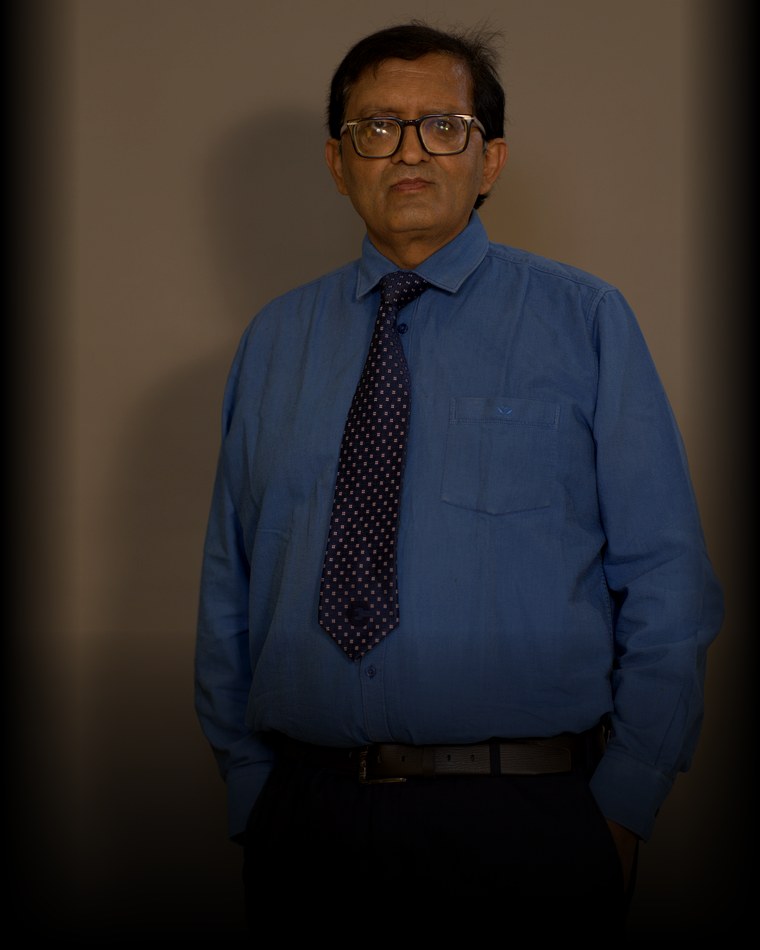
Rajnish Sharma — MSME consultant for Jalandhar and Doaba region
Rajnish Sharma (RDS) — IIT Delhi M.Tech in Manufacturing Technology · 35 years industry experience · Based in Hoshiarpur, 80 km from Jalandhar. Specialist in manufacturing revenue systems, export sales pipelines, and working capital optimisation for Punjab MSMEs. Personally coached 500+ MSME founders across Punjab and Haryana. Free 45-minute diagnosis call available. Contact: +91 7087943430.
How to get your Jalandhar MSME diagnosed — free
WhatsApp +91 7087943430 or email rajnish@rajnishrds.com with three lines: what you manufacture, your current annual revenue, and what changed 12-24 months ago when growth stalled. Rajnish will respond within 24 hours. The diagnosis call is 45 minutes, free, no strings attached.
If you are in Jalandhar city, Nawanshahr, Phagwara, Kapurthala, or anywhere in the Doaba belt — this call will be the most useful 45 minutes you spend on your business this year.