Ludhiana is not just Punjab's biggest city. It is India's industrial backbone. The city produces 70% of India's bicycle components, nearly 40% of auto parts consumed domestically, and supplies hosiery to markets across Europe and the Middle East. If you own a manufacturing unit in Ludhiana and your revenue has plateaued — this article is for you.
70%
India's bicycle components from Ludhiana
90,000+
MSME units in Punjab
35yr
Rajnish Sharma's manufacturing experience
The Ludhiana MSME problem nobody talks about
Most Ludhiana factory owners have one thing in common: they built revenue up to a point — ₹5 Cr, ₹15 Cr, ₹30 Cr — and then it stopped growing. Not because the market dried up. Because an invisible bottleneck formed that no one diagnosed correctly.
The bottleneck is almost never what the owner thinks it is. Common mis-diagnoses in Ludhiana MSMEs:
- "I need more orders" — when the real problem is that existing production capacity is underutilised due to scheduling chaos
- "I need a bigger loan" — when working capital is already there but stuck in 90-day receivables from anchor buyers
- "My team is the problem" — when the real issue is unclear job ownership and no performance feedback loop
- "I need to cut costs" — when the margin leak is in rejected batches, rework, and untracked material waste
The first step is not solving. It is correctly identifying which constraint is the primary one. Everything else is wasted effort.
What makes Ludhiana manufacturing different from the rest of India
A consultant who has never worked in North Indian manufacturing will miss these context-specific constraints:
Buyer concentration risk
Most Ludhiana auto-parts and bicycle component manufacturers supply to 2-3 large anchor buyers — Hero, Atlas, Avon, or Tier-1 suppliers. This creates a dangerous dependency. When one anchor delays or reduces orders, the entire factory is affected. Building a diversified buyer pipeline is essential but rarely done because the anchor relationship feels "safe."
Labour dynamics post-2020
Skilled machine operators in Ludhiana's light engineering sector have become harder to retain. Post-pandemic wage expectations shifted. Factories that rely on verbal agreements and informal hiring structures are losing trained staff to competitors offering small formalized benefits. The cost of constant re-training is invisible but real.
GST transition friction for sub-₹5 Cr units
Hundreds of Ludhiana sub-contracting units still operate in a semi-formal way. Formalisation via GST changed cash flow patterns significantly. Units that previously ran on informal credit from buyers now face tighter invoice cycles. This creates working capital pressure that gets misread as a "loan problem."
Export documentation bottleneck
Ludhiana manufacturers export through Delhi NCR ports — Tughlakabad or Nhava Sheva. That's an extra 18-24 hour transit, documentation risk at two nodes, and buyer SLA pressure. Factory owners who have not systematised their export documentation process routinely miss shipment windows.
Who is Rajnish Sharma — MSME consultant serving Ludhiana
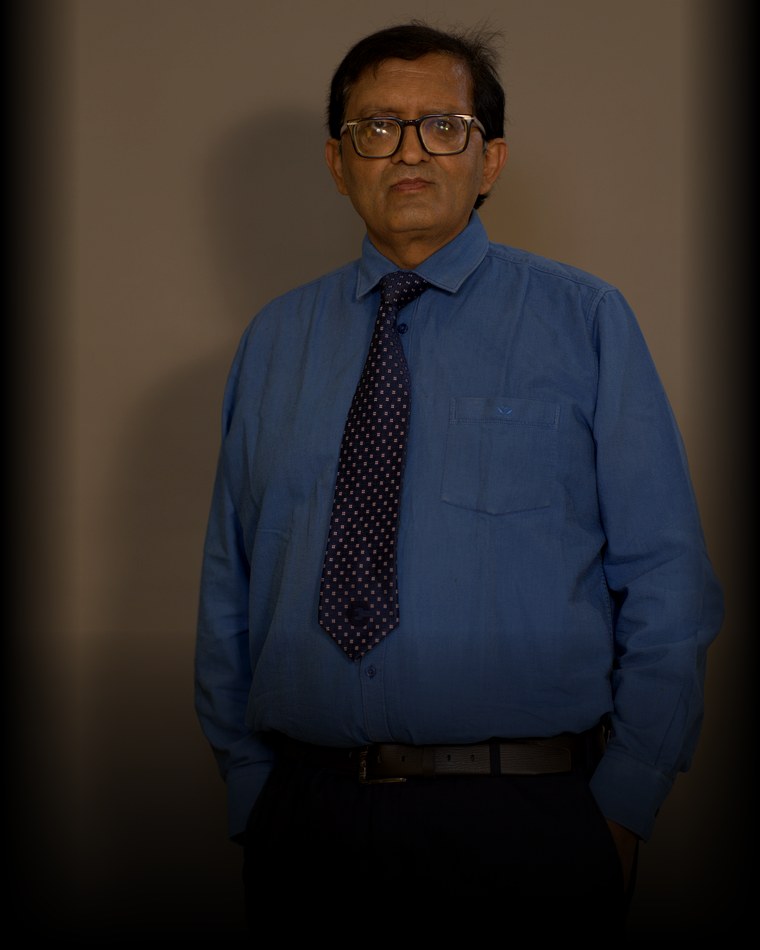
Rajnish Sharma (RDS) — IIT Delhi M.Tech in Manufacturing Technology. 35 years of industry experience across production management, procurement, quality systems, and revenue operations. Based in Hoshiarpur, Punjab. Has personally diagnosed manufacturing bottlenecks in over 500 MSME businesses across Punjab, Haryana, and Himachal Pradesh. Founder of the 90-Day Revenue Engine — a systems-based turnaround methodology built for Indian manufacturers.
Rajnish is not a management consultant from a Mumbai firm who flies into Punjab for a two-day visit. He has lived in Punjab for decades. He has sat in Ludhiana factories at 6 AM during shift changeover. He knows what the foreman knows, and what the owner often doesn't.
The 90-Day Revenue Engine — what it does for Ludhiana manufacturers
The 90-Day Revenue Engine is a structured intervention covering four systems:
- Bottleneck Diagnosis (Days 1–7): Map the entire value chain from raw material arrival to payment receipt. Identify the single constraint that is limiting throughput. This is almost always not where the owner suspects.
- Production System Fix (Days 8–30): Implement scheduling rhythm, daily output tracking, and shift accountability. Most Ludhiana factories run on informal daily planning that creates cascading delays. One structural fix here typically adds 15-25% output without new capital.
- Revenue Pipeline Build (Days 31–60): Identify 3-5 new buyer segments beyond current anchors. Build a repeatable outreach and follow-up system. This is not "sales training." It is a documented pipeline with owners, stages, and accountability.
- Working Capital Unlock (Days 61–90): Reduce debtor days by 20-30%. Restructure vendor credit terms. Identify and eliminate working capital traps hiding inside the current system.
Case study: Ludhiana fastener manufacturer — ₹8 Cr to ₹14 Cr in 11 months
A Ludhiana manufacturer of industrial fasteners (nuts, bolts, threaded rods) had revenue stuck at ₹8 Cr for three years despite adding new machines. The diagnosis revealed two constraints:
Constraint 1: 68% of revenue came from two buyers. When one shifted volume to a competitor in Rajkot for a 3% price difference, the factory was suddenly running at 55% capacity.
Constraint 2: The factory had a 74-day average debtor cycle — but was paying vendors in 21 days. This created a persistent ₹80 lakh working capital gap that the owner was bridging with a CC account at 13.5% interest.
The fix was not a new loan. It was a buyer diversification sprint — reaching 11 new buyers in infrastructure construction, railway, and OEM auto sectors over 60 days. And a supplier credit renegotiation that pushed vendor payment to 45 days. Within 11 months, revenue crossed ₹14 Cr. Working capital pressure dropped by 60%.
How to get an MSME consultation in Ludhiana
Rajnish Sharma is based in Hoshiarpur — 90 km from Ludhiana. He takes on-site and remote engagements across Punjab.
To start: WhatsApp +91 7087943430 with three lines — what you manufacture, current annual revenue, and what has changed or stalled in the past 12 months. A free 45-minute bottleneck diagnosis call will be scheduled within 48 hours. No pitch, no invoice, no commitment required for the first call.